
First article
Serein Counsel: Building a steadier practice when the weather turns inward
Serein is the light rain that falls after sunset from a sky that looks clear. It is a strange word for a legal wellness blog, which is exactly why it belongs here. Most lawyers do not lose their footing only during obvious storms. The harder moments often arrive after the hearing is over, after the client has been reassured, after the partner says the work product was strong, after everyone else assumes the day has cleared. The pressure keeps falling anyway. Quietly. Privately. Sometimes with no visible weather at all.
Serein Counsel starts from that place. Lawyer wellness is often discussed as if the problem is a shortage of individual discipline: meditate more, exercise more, sleep more, answer fewer emails at night. Those things can help, and some of them matter a great deal. But a healthier practice is not built by handing an overloaded person a longer personal checklist. It begins by telling the truth about the profession. Legal work rewards vigilance. It trains people to search for risk, anticipate conflict, carry other people's anxiety, and convert ambiguity into advice under time pressure. A nervous system can become very good at that work and still pay a price for doing it all day.
The goal is not to become softer or less ambitious. The goal is to become more available to the work that matters. A lawyer who is exhausted may still produce, but production is not the same as judgment. Judgment requires range. It needs memory, patience, humor, proportion, and enough internal room to notice when a problem is actually simple. Wellness, in this frame, is not a luxury added after the real work. It is part of the conditions that make careful legal work possible.
A steadier practice usually starts with boundaries, but boundaries are often misunderstood. A boundary is not a dramatic announcement. It is a design choice repeated until people can rely on it. It might be a clear intake process, a response window written into an engagement letter, a weekly review of open loops, or a habit of naming what can be done today and what belongs tomorrow. In a profession built around urgency, boundaries can feel almost rude at first. Yet good boundaries are often a kindness. They reduce guessing. They keep clients from mistaking silence for neglect. They keep colleagues from building plans around invisible labor.
Recovery is the second pillar. Many lawyers recover only when the body forces the issue: illness, irritability, numbness, or a weekend spent staring at a screen without absorbing anything. Real recovery is less theatrical. It is the walk between calls. It is closing the laptop before reading one more hostile email. It is eating lunch away from a pleading. It is allowing a difficult conversation to settle before drafting the reply. These choices can look small from the outside, but they interrupt the fantasy that a lawyer should be endlessly extractable.
Attention is the third pillar. Modern practice scatters attention with impressive efficiency. The inbox, docket alerts, client texts, research tabs, billing notes, and internal chat all compete for the same mind. The cost is not only distraction. It is a flattened sense of importance. Everything starts to feel equally loud. One useful wellness habit is a daily attention audit: What truly needs legal judgment today? What merely needs movement? What can be delegated, delayed, declined, or defined more clearly? This is not productivity theater. It is a way to protect the highest-value part of the lawyer's work.
Culture matters too. Individual habits can help a lawyer survive a hard environment, but they cannot fully correct one. Senior lawyers set a weather pattern whether they mean to or not. If every email arrives at midnight, if vacation is treated as a charming fiction, if mistakes are discussed only through humiliation, then wellness programming will ring hollow. The healthier question for a firm or legal department is simple: What behavior are we making normal here? The answer lives in scheduling, staffing, feedback, compensation, and the way people talk when pressure rises.
For newer lawyers, wellness also depends on mentorship that explains the invisible parts of practice. Many young attorneys are taught how to research, draft, and argue, but not how to carry the emotional residue of the job. They may not know that a loss can feel personal even when the work was sound, that a client's panic can become contagious, or that confidence often grows after people stop pretending to have it all the time. Good mentors normalize the learning curve without lowering standards. They show how to prepare well, recover honestly, and keep perspective after a hard result.
For solo and small-firm lawyers, the challenge can be even more intimate. The lawyer may also be the rainmaker, billing department, intake coordinator, strategist, and person who changes the toner. Wellness advice that ignores business reality will not last. A sustainable solo practice needs margin in its model. That can mean clearer fee structures, better screening, documented workflows, and the courage to stop accepting matters that reliably turn into unpaid emergency labor. Peace is not only a feeling. Sometimes it is an operational decision.
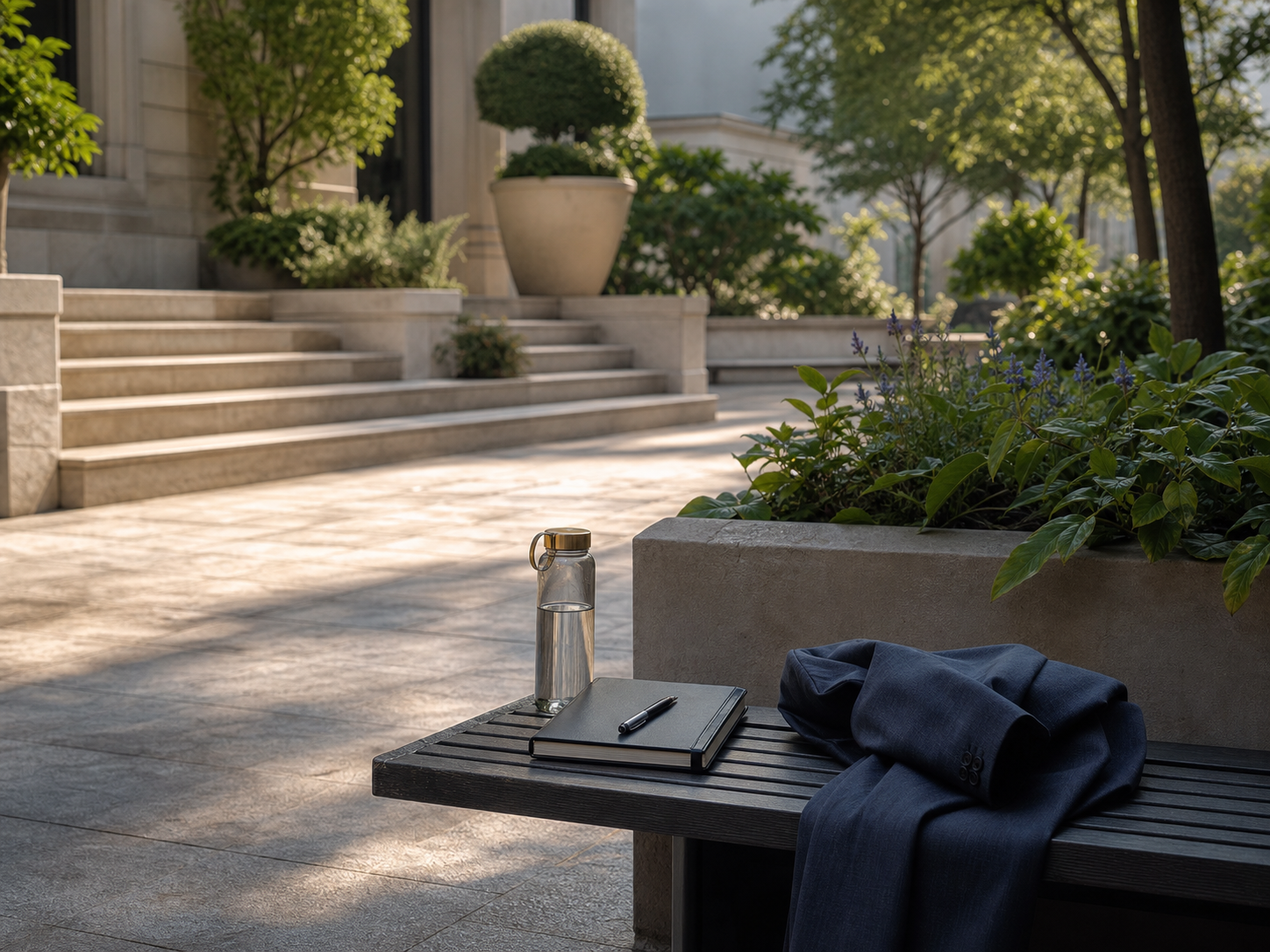
There is also a moral dimension to lawyer wellness that deserves more plain speech. Lawyers serve clients better when they are not running on fumes. They listen more carefully. They explain risk without projecting their own panic. They catch errors. They can be firm without being cruel. They can notice when a client needs not only an answer, but a steadier person in the room. A profession that depends on judgment should care deeply about the conditions under which judgment is formed.
None of this requires perfection. A humane practice will still have late nights, urgent filings, disappointing outcomes, and seasons when the calendar looks like it was assembled by someone with a personal grudge against sleep. The point is not to eliminate pressure. The point is to stop treating chronic depletion as proof of seriousness. A good lawyer can work hard and still refuse to make exhaustion the organizing principle of a career.
Serein Counsel will return to these themes from different angles: how to build a better Monday, how to speak to clients without absorbing every fear, how firms can make recovery credible, how to notice early signs of burnout, how to design a practice that leaves room for a life outside it. The tone will be practical, but not cold. The work is demanding because it matters. The people doing it matter too.
The first step is modest. Notice the weather after the visible storm has passed. Notice whether your body still thinks it is on call. Notice which habits protect your judgment and which ones only protect the illusion that you are keeping up. Then make one small design choice in favor of steadiness. Repeat it. Let it become normal. A career is built from arguments, deadlines, and decisions, yes, but also from the quiet conditions that allow a person to remain present for them.